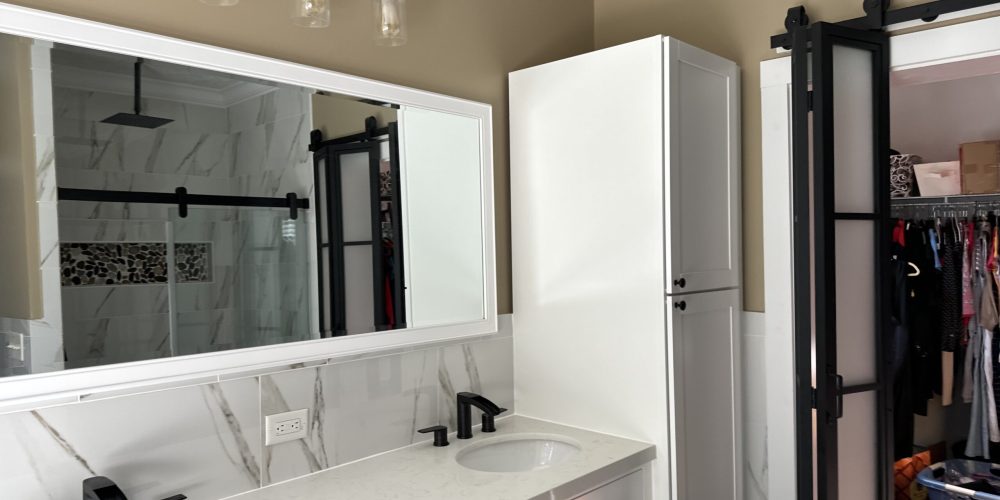
When planning a bathroom remodel in Virginia’s Northern Neck, it is easy to focus on tile, fixtures, and a new vanity. Before those selections are finalized, add another item to the conversation: how the room will handle shower moisture.
A running fan is only the starting point
The U.S. Environmental Protection Agency notes that hearing a fan motor does not establish that it is exhausting enough air. It also recommends exhausting bathroom air directly outdoors, rather than into an attic or another enclosed space. Ask your contractor to evaluate the existing setup and explain any proposed changes before the work begins.
Bring useful observations to the estimate
Write down what you notice during normal use: lingering condensation, damp surfaces, peeling finishes, or a fan that seems unusually noisy. Include when the issue happens and whether it affects one bathroom or several rooms. These observations are a starting point for an assessment, not a diagnosis of the cause.
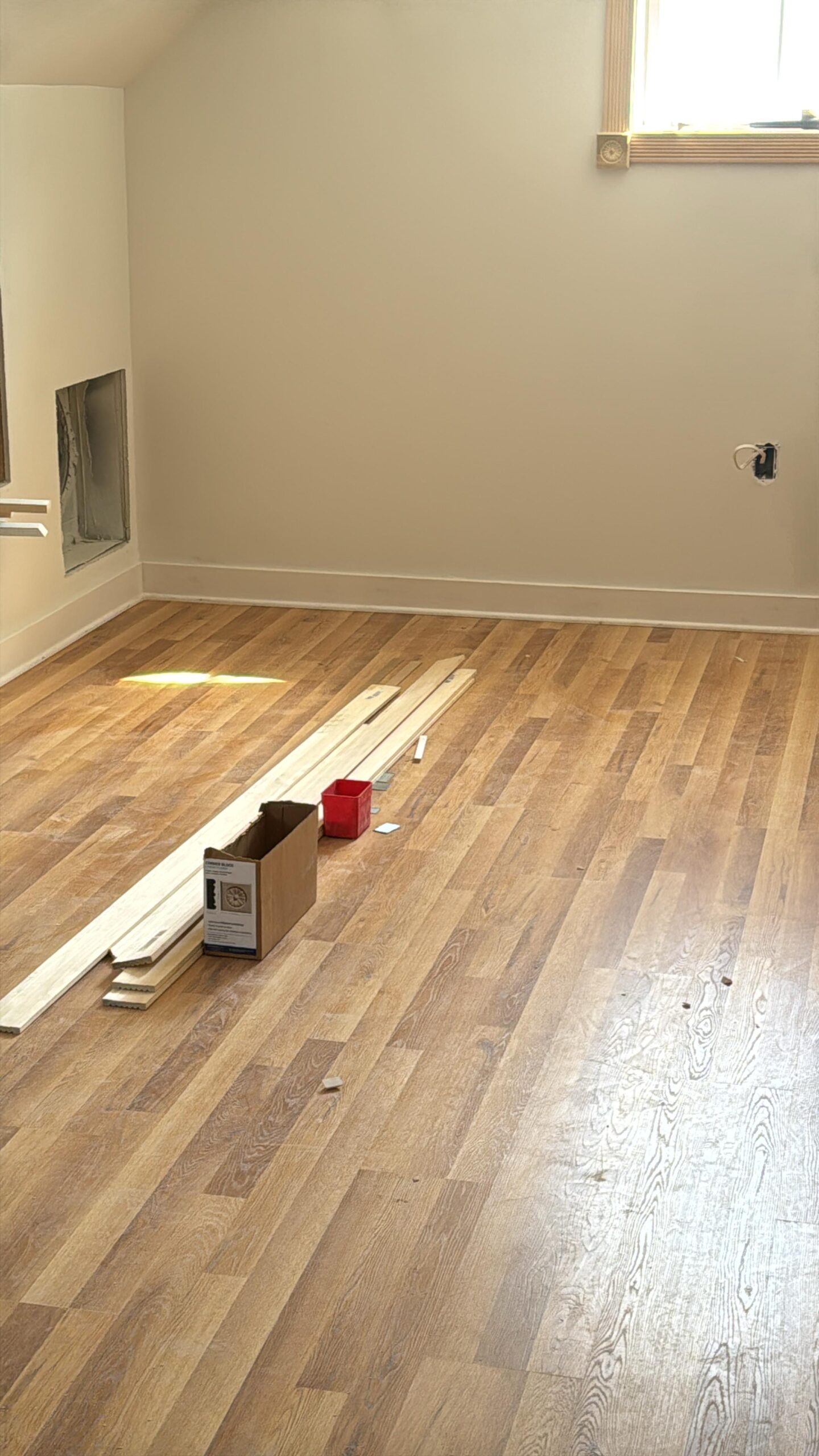
Take a few photos from floor level and keep them with your project notes. You do not need to open walls, enter the attic, or remove electrical components to prepare for the conversation.
Discuss moisture before choosing finishes
EPA’s bathroom remodeling guidance emphasizes fixing leaks and addressing condensation. New paint or tile should not be treated as a substitute for understanding an existing moisture problem. Ask how the proposed scope addresses ventilation, water management, and any areas that need further investigation.
Also discuss everyday operation: where the controls will be located, how to use any timer, and what maintenance the manufacturer recommends. A written scope makes it easier to distinguish included work from optional upgrades.
Planning a bathroom update? Contact AMC Remodels through amcremodels.com to discuss your goals and request an estimate.
Sources: U.S. EPA, Remodeling Your Home and Indoor Air Quality and Addressing Indoor Environmental Concerns During Remodeling.